Sweat smart: How pilates and yoga keep you strong
Introduction: Strength Doesn’t Always Come with Weights
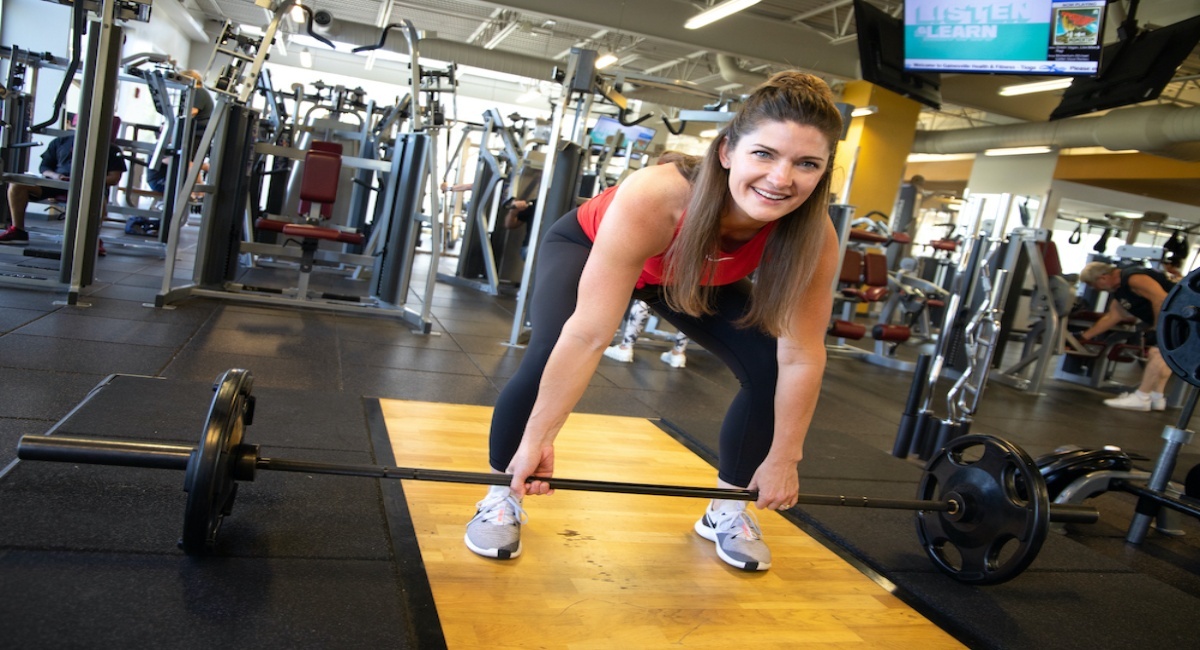
When people think of getting stronger, they often picture heavy weights and intense gym sessions. But strength doesn’t always have to come from dumbbells or machines. Pilates and yoga are usually labeled as “gentle” or “relaxing.” There are two of the most effective low-impact workouts that can help you build full-body strength, improve flexibility, and boost mental focus.
If you’re looking to sweat smart in 2025 and beyond, it’s time to take a closer look at how Pilates and yoga can transform your strength training game.
1. Pilates: Precision, Core Power & Endurance
What Is Pilates?
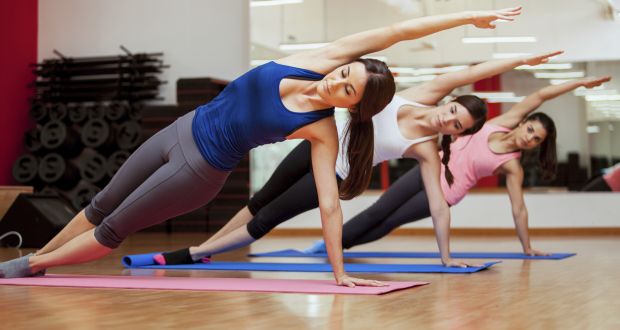
Pilates is a low-impact exercise method developed by Joseph Pilates in the early 20th century. It focuses on core stability, muscle control, alignment, and breathing. Though it looks graceful and calm, Pilates is a serious strength workout.
How Pilates Keeps You Strong
- Core Strength: Almost every Pilates move targets your core. A strong core improves posture, balance, and protects you from injury.
- Small Muscle Control: Pilates isolates and tones smaller stabilizing muscles, especially around joints, making you stronger and more injury-resistant.
- Endurance & Control: Holding precise movements for longer periods enhances muscular endurance, not just brute force.
Pilates Equipment vs. Mat Work
You don’t need fancy reformers to benefit. Mat Pilates alone can build strength using bodyweight resistance, gravity, and controlled motion.
SEO Tip: Use keywords like “how Pilates keeps you strong” and “Pilates for core strength” throughout your blog naturally for Rank Math optimization.
2. Yoga: Flexibility Meets Functional Strength
Beyond Flexibility: The Truth About Yoga Strength
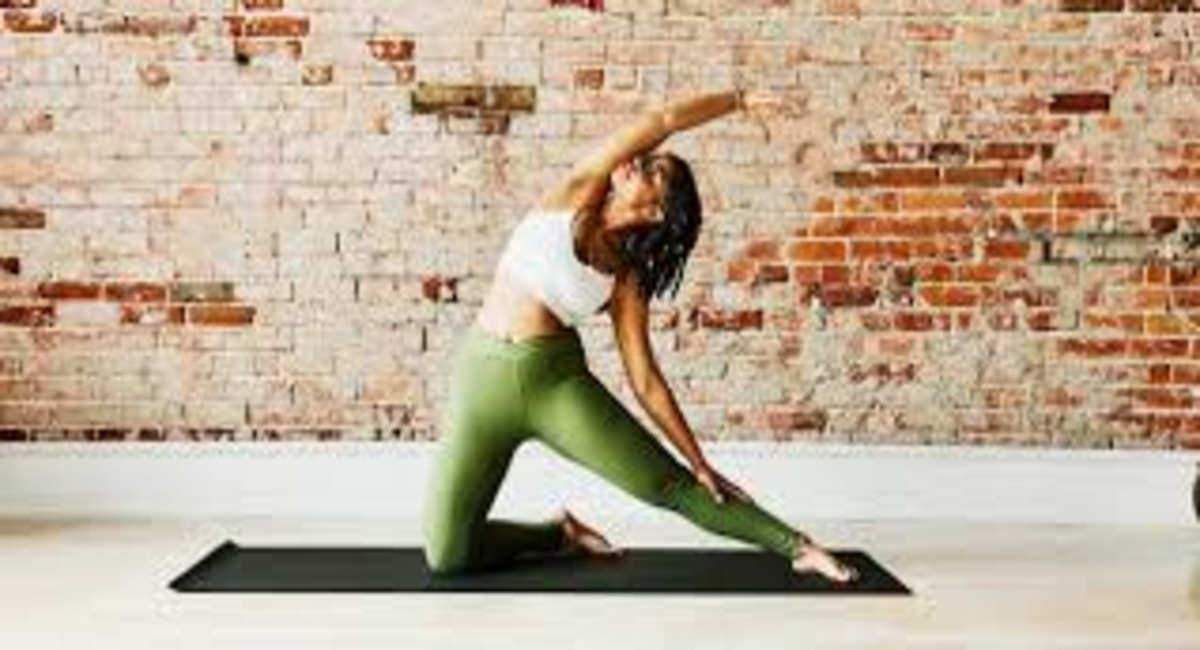
Yoga isn’t just about stretching or finding your zen. Depending on the style, like Vinyasa, Power Yoga, or Ashtanga, you can build serious muscle tone, balance, and functional strength.
How Yoga Keeps You Strong
- Bodyweight Resistance: Holding poses like Plank, Warrior, and Chair Pose challenges your muscles and increases endurance.
- Isometric Strength: Unlike lifting weights, yoga strengthens muscles through isometric holds that engage both large and small muscle groups.
- Balance & Coordination: Strength isn’t just about force; it’s about control. Yoga trains your neuromuscular coordination.
Mind-Body Power
Yoga brings the added benefit of mental resilience and breath control, which can improve your performance in all other forms of exercise and daily life.
3. Why Smart Workouts Matter in 2025
With busy schedules, sedentary jobs, and high stress levels, smart workouts like Pilates and yoga help you get stronger without overtraining or risking injury.
Benefits of Sweat Smart Training:
- Time-efficient (30 mins can be enough)
- Joint-friendly
- Improves posture and core stability
- Suits all fitness levels
- Reduces stress and anxiety
- Boosts mobility and flexibility
Google Keyword Integration: Smart workout routines, Pilates and yoga for strength, yoga strength benefits
4. Pilates vs. Yoga: Which One Should You Choose?
| Feature | Pilates | Yoga |
|---|---|---|
| Focus | Core strength, alignment | Mind-body connection, flexibility, strength |
| Equipment Needed | Mat, reformer (optional) | Just a mat |
| Intensity | Moderate to high (core-based) | Low to high (depends on style) |
| Mental Health Benefits | Focus & body awareness | Deep stress relief, mindfulness |
| Best For | Posture, injury prevention | Flexibility, full-body strength |
Pro Tip: You don’t need to choose both for a well-rounded fitness plan!
5. Sweat Smart Tips for Beginners
Want to get started? Follow these simple tips to integrate Pilates and yoga into your weekly routine.
- Start Slow: Try 2–3 sessions per week
- Use Online Classes or Apps: Many free and paid options are available
- Stay Consistent: Progress in strength takes time
- Listen to Your Body: Rest when needed
- Focus on Form Over Reps: It’s not about speed, it’s about control
6. Final Thoughts: Strength in Simplicity
You don’t need barbells or HIIT to get strong. With consistent Pilates and yoga practice, you’ll gain functional strength, core power, mobility, and mental clarity. In a world where burnout is real, sweating smart isn’t just an option; it’s the new standard.
So, roll out that mat, breathe deep, and sweat smart because strong doesn’t have to mean sore.
FAQs
1. Can Pilates and yoga replace weight training?
While they don’t replace heavy lifting for muscle mass, they do build functional strength, endurance, and core stability, which are equally vital.
2. How often should I do Pilates or yoga for strength?
Aim for at least 3 sessions per week, mixing styles and intensities.
3. Which is better for beginners, Pilates or yoga?
Both are great. If you want core-focused workouts, start with Pilates. If you prefer full-body flow and breathwork, start with yoga.