Introduction: Why the Packaging Industry Is Shifting Gears
In 2025, sustainable food packaging isn’t just a buzzword; it’s a necessity. With increasing consumer demand for eco-conscious products and global pressure to reduce plastic waste, brands are rethinking how they package goods. Enter: sugarcane food containers, a natural, compostable solution that’s rapidly reshaping the future of packaging.
Suppose you’re a business owner, restaurant operator, or eco-aware consumer. In that case, this article will show you why sugarcane-based packaging is not only good for the planet but also a smart choice for your brand.
What Are Sugarcane Food Containers?
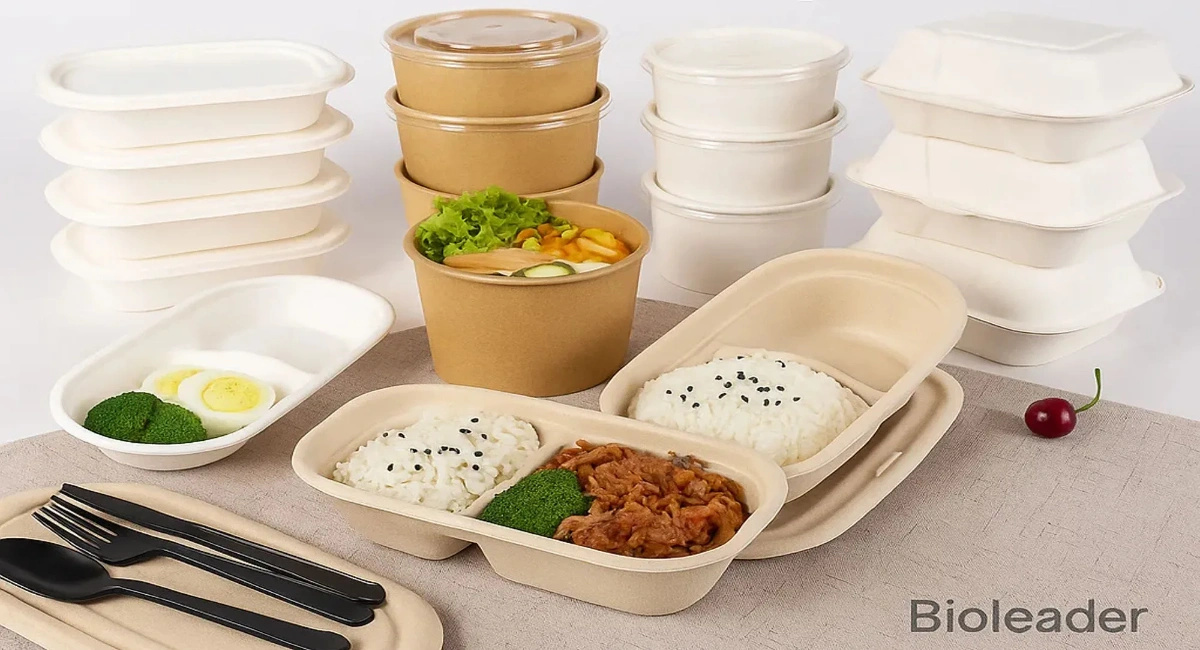
Sugarcane food containers are made from bagasse, the dry, fibrous byproduct left after extracting juice from sugarcane stalks. Instead of discarding this byproduct, it’s now repurposed into durable, compostable, and heat-resistant containers.
Key Features:
- 100% biodegradable and compostable
- Microwave and freezer safe
- Water and oil resistant
- Strong and lightweight
- Made from renewable agricultural waste
Why Sugarcane Packaging Is Better Than Plastic
1. Fully Compostable
Plastic takes hundreds of years to break down. Sugarcane containers? Just 45–90 days in a composting environment. That’s a game-changer for waste management and climate impact.
2. Renewable & Abundant Resource
Sugarcane grows fast and is widely cultivated, especially in countries like Brazil, India, and Thailand. This makes it an easily renewable source compared to petroleum-based plastic.
3. Lower Carbon Footprint
The production of sugarcane packaging emits fewer greenhouse gases than plastic or Styrofoam. Plus, it diverts agricultural waste that would otherwise be burned, contributing to air pollution.
4. Safe for Food & Health
Unlike plastic, which may leach harmful chemicals when heated, sugarcane food containers are non-toxic, making them safer for your food and the environment.
Why Businesses Are Making the Switch
Forward-thinking businesses from food trucks to multinational franchises are embracing eco-friendly food containers to meet both regulatory demands and consumer expectations.
Benefits for Brands:
- Aligns with sustainability goals
- Appeals to eco-conscious consumers
- Enhances brand image and trust
- Helps comply with new bans on single-use plastics
Case Study: Café GreenLeaf
This small café in Los Angeles switched to sugarcane food containers and saw a 25% boost in customer engagement due to its eco-friendly branding.
Are Sugarcane Containers Cost-Effective?
While sugarcane containers may cost slightly more upfront, the long-term savings in brand value, environmental compliance, and customer loyalty outweigh the initial investment.
Bulk manufacturing and increasing global demand are also driving prices down, making this option more accessible for small businesses.
The Future of Food Packaging Is Sweet and Sustainable
As we step into a more climate-conscious world, the need for smart packaging choices has never been clearer. Sugarcane-based food containers tick all the boxes: sustainable, durable, safe, and marketable.
Whether you’re a business looking to upgrade your packaging or a consumer seeking to reduce your environmental footprint, sugarcane packaging offers a truly viable path forward.
Final Thoughts: Choose Better, Choose Sugarcane
In the race to reduce plastic waste and embrace sustainability, sugarcane food containers are already winning. They’re not just an eco-trend, they’re the future of food packaging.
Start making greener choices today. Because sustainability isn’t optional anymore, it’s essential.