
Introduction:
Why Calorie Awareness Matters in 2025
In the fast-paced world of Calories in daily intake 2025, where diet trends come and go, one thing remains constant: understanding your calories in daily intake is key to managing your health. Whether you’re trying to lose weight, gain muscle, or simply eat better, tracking your calorie intake can make a massive difference in how you feel and function.
But what exactly are calories? How do you know how many you need? And how can you manage them in a realistic, healthy way?
Let’s dive into a complete,Calories in daily intake tracking them properly, and making smarter, more sustainable choices.
What Is a Calorie? A Simple Explanation
A calorie is a unit of energy. It measures how much energy your body can get from a particular food or drink. Your body uses calories to fuel everything from walking to breathing even sleeping.
When you consume more calories than you burn, your body stores the excess as fat. When you burn more than you eat, you lose weight.
Understanding how many calories you need per day is the first step to a balanced, healthy lifestyle.
How Many Calories Should I Eat Per Day?
There is no one-size-fits-all number. Your ideal daily calorie intake depends on several factors:
- Age
- Gender
- Weight
- Height
- Activity level
- Metabolism
- Health goals (weight loss, maintenance, gain)
General Calorie Guidelines
| Gender | Sedentary | Moderately Active | Active |
|---|---|---|---|
| Women | 1,600–2,000 | 1,800–2,200 | 2,000–2,400 |
| Men | 2,000–2,400 | 2,200–2,800 | 2,600–3,000 |
Use a calorie calculator or consult a registered dietitian to personalize your number.
Track Calorie Intake: Why and How
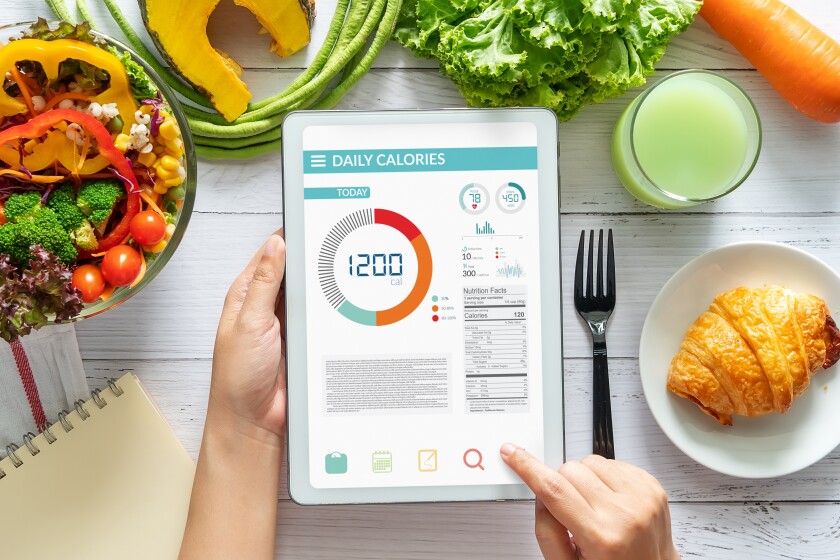
If you’re wondering how to track your calorie intake, there are multiple ways to go about it, ranging from tech tools to manual journals.
Popular Calorie Tracking Apps
- MyFitnessPal
- Lose It!
- Cronometer
- Yazio
- Fitbit or Apple Health (with calorie tracking enabled)
These apps help you:
- Scan food barcodes
- Log meals easily
- Track macros (carbs, proteins, fats)
- Set calorie goals based on your lifestyle
Pro Tip: Don’t obsess over perfection. Focus on trends and consistency.
Calories In vs Calories Out: The Energy Balance Equation
To maintain your weight, you must balance calories in (eating) with calories out (burning). This concept is known as energy balance.
3 Key States of Energy Balance
- Caloric Surplus Eat more than you burn weight gain
- Caloric Deficit Eat less than you burn weight loss
- Caloric Maintenance Eat as much as you burn maintain current weight
Creating a small deficit (like 500 calories per day) can lead to safe, sustainable weight loss of about 1 pound per week.
Healthy Calorie Intake: Quality Matters More Than Quantity
Tracking calories is helpful, but not all calories are created equal. A 200-calorie salad is very different from 200 calories of soda.
Nutrient-Dense vs. Empty Calories
Calories in daily intake
| Food Type | Nutrient Value | Example |
|---|---|---|
| Nutrient-Dense | High | Vegetables, fruits, lean proteins, whole grains |
| Empty Calories | Low | Sugary drinks, fried snacks, ultra-processed foods |
Aim for a diet that includes:
- Whole grains like oats and brown rice
- Lean protein from fish, beans, and eggs
- Healthy fats from avocado, olive oil, and nuts
- Fiber-rich vegetables and fruits
Low-Calorie Healthy Meals That Keep You Full
One of the best ways to manage your daily calorie intake without feeling deprived is to focus on high-volume, low-calorie foods.
Sample Meal Ideas Under 400 Calories
- Grilled chicken salad with olive oil vinaigrette
- Vegetable stir-fry with tofu and quinoa
- Greek yogurt bowl with berries and chia seeds
- Lentil soup with whole grain toast
- Smoothie with banana, spinach, almond milk, and protein powder
These meals are balanced, satisfying, and help prevent overeating.
Smart Calorie Counting Tips for Busy People
If tracking every bite feels overwhelming, these calorie counting tips can help you stay on track without burnout:
- Plan your meals ahead of time
- Use a kitchen scale or measuring cups
- Eat mindfully avoid distractions while eating
- Watch out for hidden calories in sauces and dressings
- Drink water before meals to reduce overeating
Even if you’re not perfect, awareness is power when it comes to food choices.
Hidden Sources of Calories You Might Be Missing
Even if you think you’re eating well, sneaky calorie sources might be messing with your goals:
- Sugary coffee drinks
- Dressings and condiments
- Alcoholic beverages
- Snack bites here and there
- “Healthy” granola or protein bars
These add up fast sometimes hundreds of calories a day. Always read the label!
FAQs: Calories and Healthy Eating in 2025
Is calorie counting necessary for weight loss?
No, but it helps create awareness. If you eat mindfully and understand portion sizes, you may not need to track daily.
How accurate are calorie trackers?
They are estimates, not exact. Use them as a guide, not a rulebook.
Can you gain weight eating healthy food?
Yes, if you eat in a caloric surplus, even healthy foods can lead to weight gain.
What’s more important: calories or macros?
Both matter. Start with calories, then fine-tune by tracking macronutrients (protein, carbs, fat) for your specific goals.
Final Thoughts: Master Your Calories, Master Your Health
Calories in daily intake aren’t your enemy they’re your energy source. The key is learning how to balance your Calories in daily intake with your activity level, goals, and food preferences.
By tracking your Calories in daily intake mindfully and focusing on nutrient-rich, satisfying meals, you’ll not only reach your health goals you’ll feel better, think clearer, and have more energy every day.